Published:
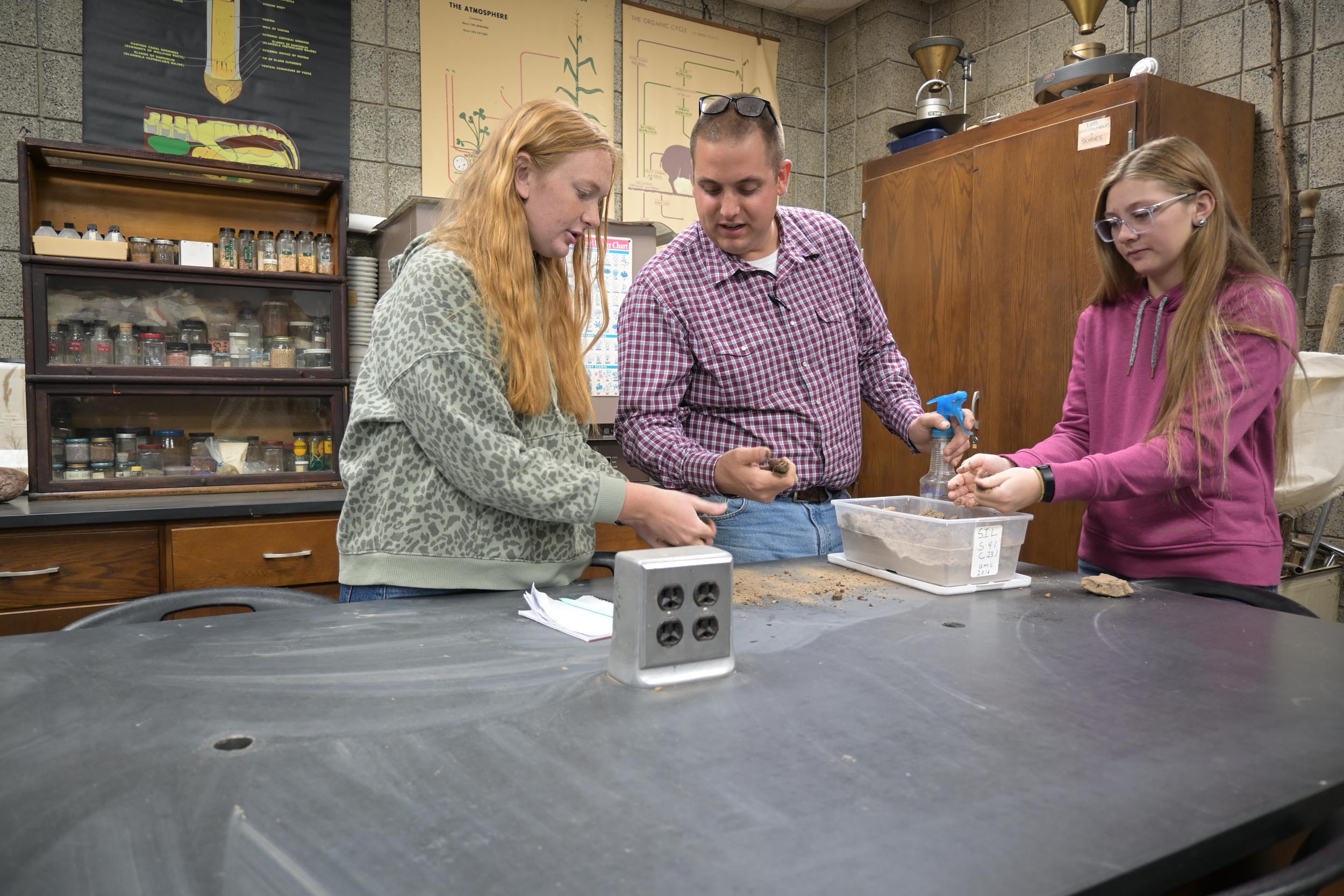
Semester-by-semester look at the Agriculture Production Technology AAS and Agribusiness Management AAS programs
If you’ve grown up around agriculture, you already know this truth: nothing grows without a good start. Seeds need the right soil, the right timing, and the right hands caring for them. Students aren’t much different. They need the right environment, the right timing, and the right hands‑on experience to grow into confident, successful citizens.
That’s exactly what the Agriculture Production Technology AAS and Agribusiness Management AAS programs at Black Hawk College East Campus are designed to provide. And here is something many people don’t realize:
Most students double major in Production and Agribusiness, which means they complete four built-in internships before graduating.
Four internships. Four seasons. One career-ready graduate.
The students are not doing it alone. Instructors help them find internships, connect with employers, and guide them toward opportunities that match their goals, background, and interests. Here’s what the program looks like from a student’s perspective.
First Semester: Prepping the Seedbed
Your first semester focuses on adjusting to college while building a strong foundation in agriculture. It is designed to ease you in, build confidence, and prepare you for the fieldwork ahead.
One of the classes during this semester is Animal Science, which includes a weekly lab. Students travel to local farms and work directly with livestock. This is real farm work, not a slideshow. You learn and perform procedures such as dehorning, castration, injections, sorting cattle, and working with dairy cattle, alpacas, poultry, and more. By the end of the semester, you have handled almost every species common in Midwest agriculture. This semester also sets the stage for your first internship, and your instructors are already helping you explore options.
Second Semester:Your First Internship
Around spring break, students begin their first internship, which continues through the end of the school year. This timing is intentional. You enter the workforce right as farms are preparing equipment, planting, calving, and making major management decisions.
Summer Mini-Semester: Growing Season, Growing Skills
Students return for a short summer session that lines up with crops actively growing, calves on pasture, and tassels starting to emerge. This is a semester full of hands-on learning. Most days, you are not on campus. You are on a bus touring factories, hearing from industry professionals, or scouting fields.
Third Semester: Fall Internship
Fall means harvest, and that is exactly where students go. Before leaving, you take a combine class and lab where you learn how to prepare a combine, maintain it, and troubleshoot issues. Then you head out for your internship during one of the busiest seasons in agriculture.
Fourth Semester: Planters, Row Units & Your Final Internship
Your final semester focuses on preparing you for long-term success. Students take a planter’s class and lab where they disassemble a row unit, rebuild it, and learn how to prepare a planter for spring. After that, they begin their final internship, returning to the field for planting season.
The last step is walking across the stage at graduation.
Why This Program Works
This program is built for students who learn best by doing, not by sitting in a classroom all day. The four-internship structure is intentional. It gives every student, whether they grew up on a farm or not, the chance to experience real operations across all four seasons of agriculture.
Internships help students learn the ropes, explore different areas of the industry, and figure out what they might want to do in the future. Each one places you in a new environment with new responsibilities, helping you build confidence, gain real‑world skills, and understand how operations run when things get busy or stressful.
You also experience different management styles, different types of farms, and career paths you may not have considered. Along the way, you build relationships and network with employers who may hire you later, which many do.
By the time you graduate, you have seen the full cycle of agriculture, learned from multiple operations, and become a well‑rounded individual who knows what they want to pursue. Combined with ag-focused classes, hands-on labs, supportive instructors, and professional development courses that actually matter in agriculture careers, you end up with a program that prepares you for your home operation or your future in the industry.
Students graduate more prepared, more confident, and more connected to the industry than almost any other two‑year program in the region.
Sow Your Seed at Black Hawk College
Right now, as fields across the Midwest are being planted, our students are out there too, working, learning, and building the careers they have dreamed about.
If you are ready to start your seed, your future, your skills, and your confidence, there is no better place to plant it than Black Hawk College.