Published:
Disability Awareness
All around the world, there are people with either visible or hidden disabilities. You probably know someone with a disability or have one yourself. When thinking about disabilities, people often have different perspectives. Some may focus on the challenges, while others recognize the unique strengths and perspectives that come with them. With that said, I wanted to go beyond general ideas and hear from individuals themselves.
In the following interviews, Leah, Anna and Maria share their stories and advice on disability awareness.
Leah’s Story
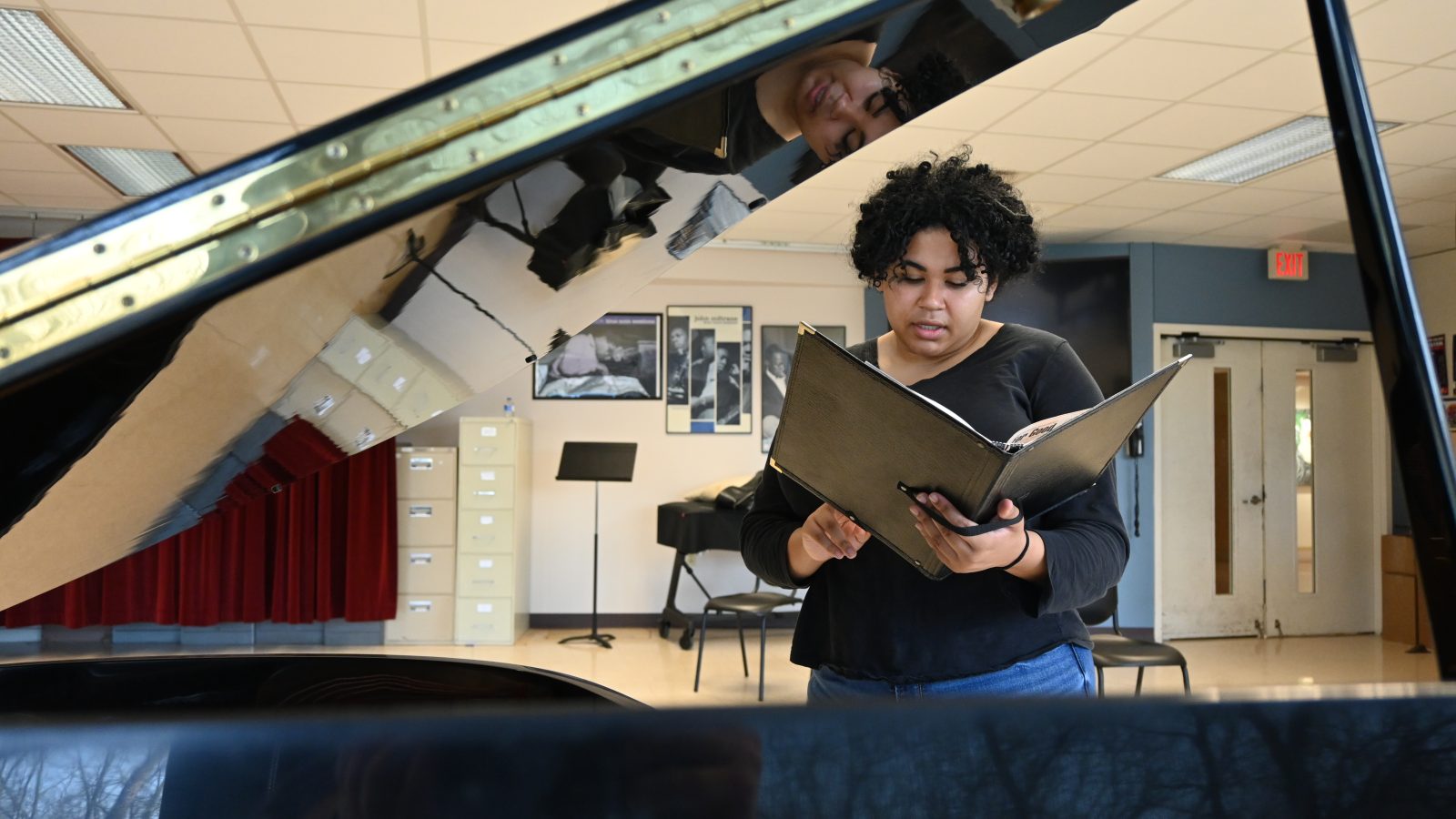
“I may look scary and intimidating when you first meet me, but that is just my face. It hurts to smile 24/7.”
This is how Leah describes herself to new people, but there’s so much more to her story.
As someone with autism, she struggles to focus in school, which has significantly impacted her education. When she started at Black Hawk College, she wished someone had told her that asking questions in class was perfectly okay and that tutoring was available.
Over time, Leah has developed strategies to work with her disability. She asks questions as much as possible and finds quiet spaces to study. She advocates for herself by speaking up and finding resources that help her the best, and she advises future BHC students to be their own advocate from the very start.
The Disability Resources & Access office has made a real difference for Leah. She’s been given space to do her best on tests and finals and has gained access to counselors, which was important to her since the school doesn’t have many licensed therapists available.
Leah describes herself as creative, kind, a daughter, a sister, an aunt, passionate, a granddaughter, a friend, intelligent, a fast learner, a filmmaker, a mermaid or siren in her past life, and a future star.
Anna’s Story
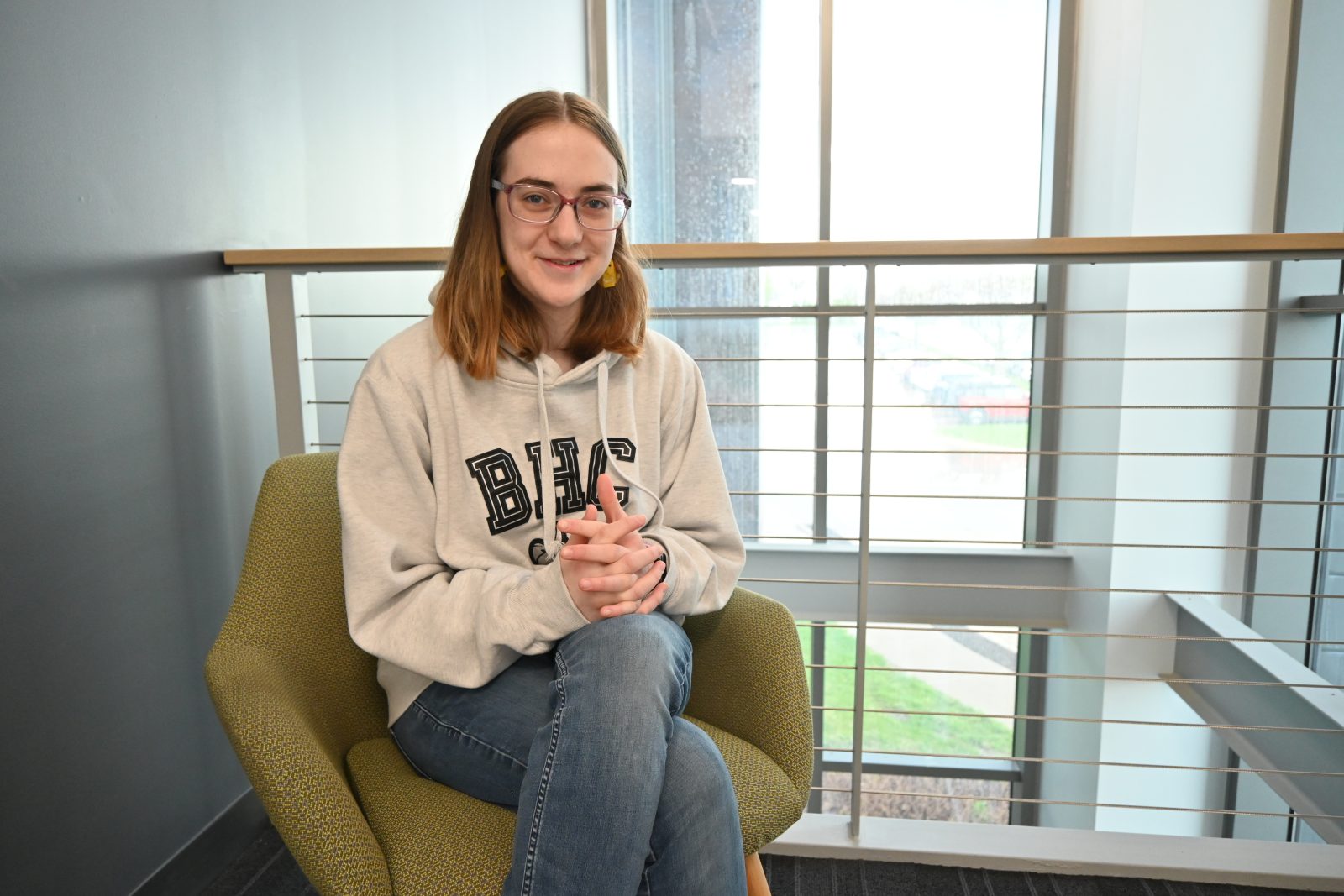
“People with disabilities are not lazy. Everything that they do has a purpose,” Anna says.
“I do not rest because I am lazy; I rest because I have already pushed my body past its breaking point and am exhausted.”
Anna lives with autism, anxiety, depression, ADHD and chronic pain, which have profoundly impacted her education. She struggles with assignments that aren’t clearly worded and sometimes has to step out of lessons when her anxiety becomes overwhelming.
During depressive episodes, completing assignments and even attending school becomes incredibly difficult. Her chronic pain sometimes forces her to miss events and classes, and staying focused in class is a constant challenge.
Looking back on her first semester at BHC, Anna wishes someone had told her that while college would be hard, it would be much easier if she worked with Disability Resources & Access from the start, and that there’s no shame in asking for help.
To manage her workload, Anna uses to-do lists and organizes all her assignments by due date. She also rewards herself after finishing difficult tasks.
When she needs support, she communicates openly with her teachers and the Disability Resources & Access office, and she’s always willing to discuss and explain her disabilities to anyone curious.
The Disability Resources & Access office has been crucial for Anna’s success. She uses a separate testing room where she can get up and walk around during exams, which helped her focus and improved her performance.
Her advice to struggling students is clear: ask for help.
“Even if family members can’t or won’t help, reach out to administrators and friends,” Anna says. “Someone will want to help, and you need that support to excel.”
Anna describes herself as a sister, a student, a writer, an LGBTQIA+ advocate, a mental health advocate, a disability advocate, a worker and a person just doing her best. She wants everyone to know that college is incredibly hard with disabilities, but you can do it.
Maria’s Story

Maria was diagnosed with anxiety and PTSD during her last semester at BHC, and she has important advice for others: “If you suspect you have a disability, whether physical, mental or learning, don’t hesitate to reach out for help.”
Her disabilities make it hard to stay calm and focused during exams. She would stress out watching other students finish before her, which caused her to overthink problems and rush through exams instead of doing her best.
Since being diagnosed, Maria keeps herself busy with homework, work and school activities. Staying busy keeps her mind calm and prevents overthinking.
As someone newly diagnosed, Maria is still learning how to advocate. She joined the Disability Alliance at the Quad-Cities Campus and stays involved as much as possible. She particularly wants to help others with mental health disabilities because, as she puts it, even though they aren’t seen, they are still a struggle to live with.
Using the Disability Resources & Access office has made a significant difference. Taking exams alone in a quiet room where she can focus has improved her test scores noticeably.
Maria’s message to other students is empowering. “Don’t let your disability define you or stop you from reaching your dreams,” she says.
“Although the road might seem difficult, you’re not alone! You have a team rooting for you!”
She also reminds students that no question is a dumb question, and if you’re ever in doubt, ask. You might discover something important about yourself.
Maria describes herself as a daughter of an immigrant family, a first-generation student, the oldest sister, a disability advocate and a future educator.
They Are More Than Their Disabilities
Through Leah, Anna and Maria’s stories, we can learn that a disability is only one part of who a person is. Each of them has faced unique challenges, but what stands out is their determination, creativity and courage to advocate for themselves.
Through their experiences, we are reminded that asking for help is not a weakness, but a strength, and that resources, support and understanding can make a world of difference.
Disabilities may shape how they experience life, but they do not define who they are.
For instance, Leah is an artist and future star, Anna is a writer and advocate, and Maria is a first-generation student and future educator.
Like them, millions of people around the world are more than their disabilities. They are friends, leaders, dreamers and doers.
So, when you think about disability, don’t just see the challenges. See the people, the strengths and the stories that prove one simple truth: they are more, and always will be, more than their disability.
About the Author
